Buyers in Springfield make up their minds fast — often before they’ve walked through the front door.
What they see in your listing photos and in the first 30 seconds of a showing shapes everything that follows. This includes whether they make an offer and what they’re willing to pay.
Good home staging tips aren’t about decorating.
They’re about removing what distracts buyers and making it easy for them to picture themselves living there. These eight home staging tips cover what actually makes a difference for sellers in the Springfield market. Here’s what to focus on.
1. Start with a Deep Clean
Everything else you do works better in a clean home.
Buyers notice dirt and odors before they notice anything you’ve staged. Focus on the things sellers often overlook — baseboards, windows, grout lines, and the inside of appliances. Kitchens and bathrooms get the most scrutiny.
If it’s been a while, a professional cleaner is worth the cost before photos are taken.
2. Declutter Every Room
Clutter does two things buyers don’t like — it makes rooms feel smaller and it keeps them focused on your stuff instead of the house.
Clear countertops in kitchens and bathrooms. Pack away personal photos and anything you don’t use daily. If a piece of furniture crowds a room, move it out before photos.
You’re not moving yet, but buyers need to be able to picture themselves there.
A storage unit or PODS container makes this easier than it sounds — and you’re packing ahead anyway.
3. Neutralize Your Space
Bold colors are personal — and personal is the problem.
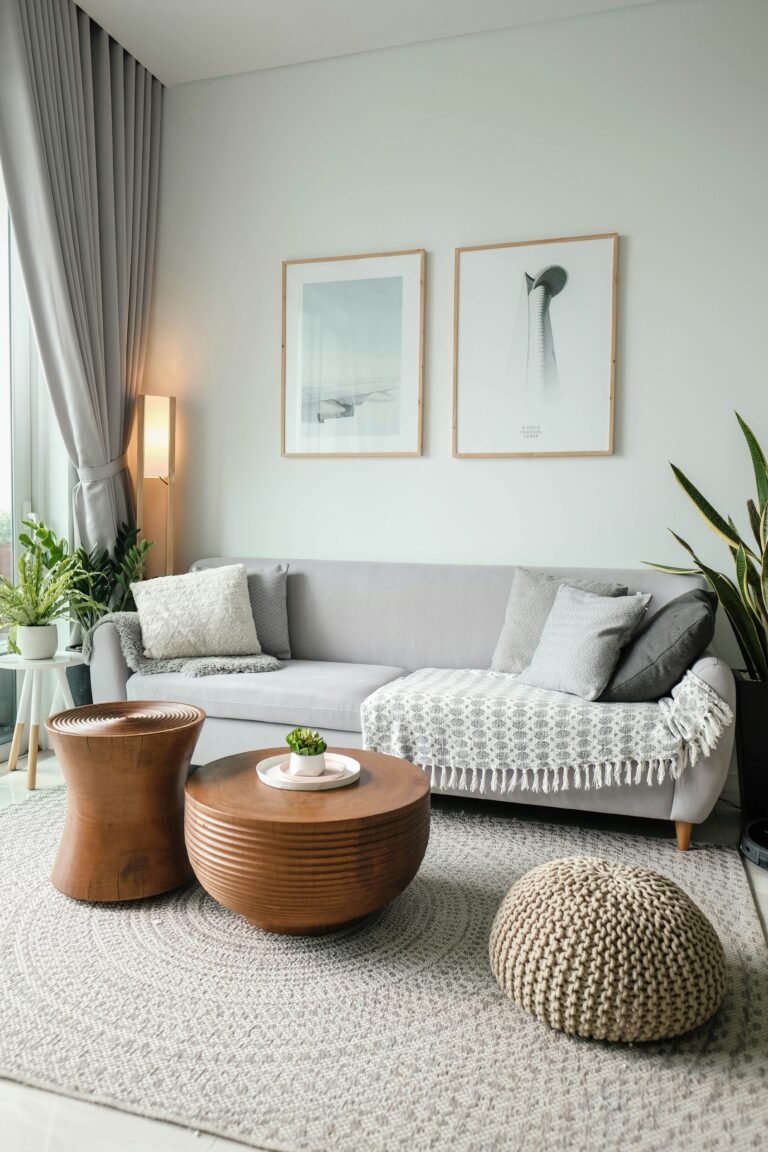
A buyer who loves the house but hates the red accent wall is now mentally adding a paint project to their to-do list. Warm neutrals — think greige, soft taupe, or warm white — appeal to the widest range of buyers and make rooms feel larger.
Same goes for décor. Keep it simple and coordinated.
You’re not decorating for yourself anymore. You’re removing reasons for buyers to say no.
4. Maximize Natural Light
Light is one of the cheapest things you can improve before a showing.
Open every curtain and blind. Clean your windows inside and out — it makes a bigger difference than most sellers expect. In darker rooms, add a lamp or two before photos are taken.
Buyers respond to bright spaces. A dark home feels smaller and harder to sell regardless of what else you’ve done.
5. Boost Curb Appeal
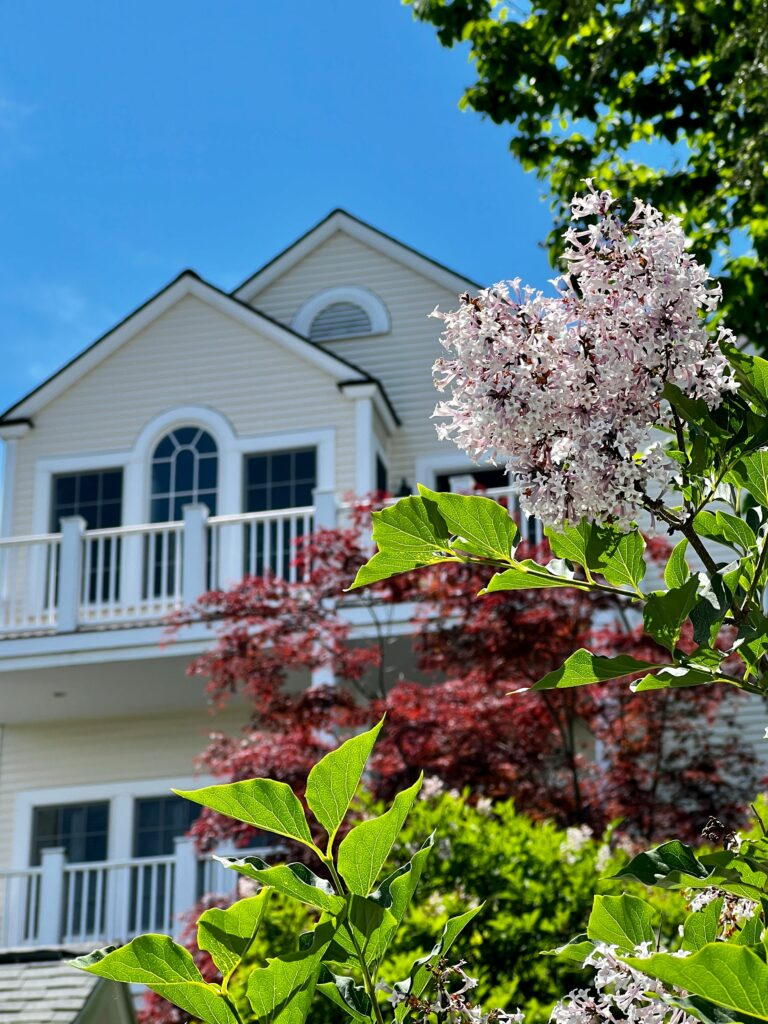
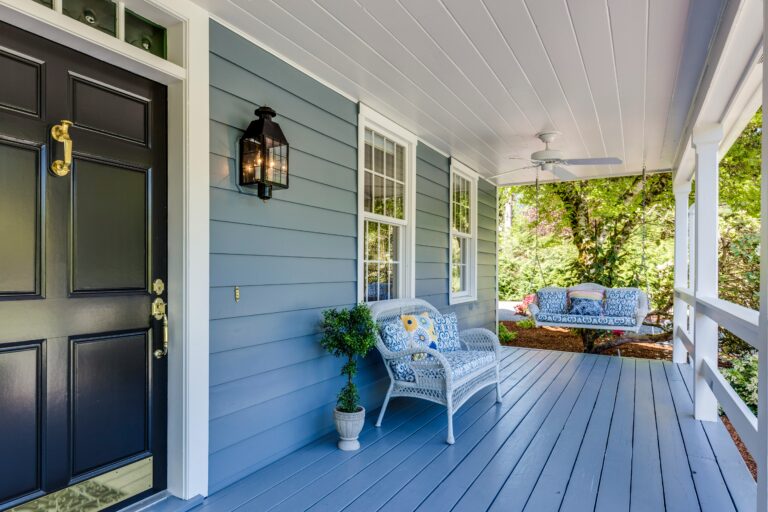
Buyers have already formed an opinion by the time they reach your front door.
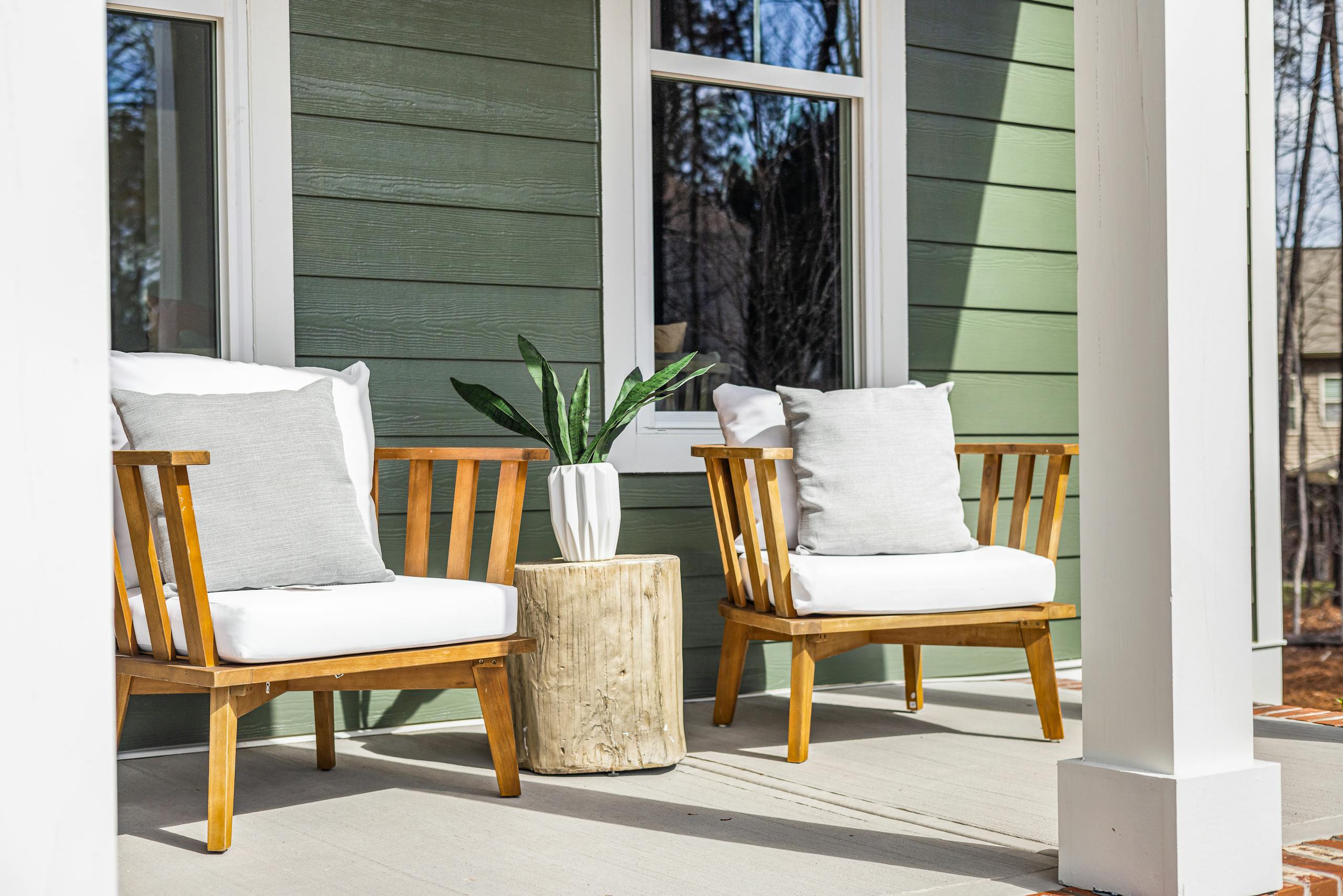
If the lawn is overgrown, the mulch is old, or the porch looks neglected, you’re starting the showing in a hole. Mow and edge the lawn. Add fresh mulch if needed. Clean the front entry and make sure the porch is clear.
In Springfield, where buyers often drive neighborhoods before scheduling a showing, curb appeal also determines whether they call at all.
6. Rearrange Furniture for Flow
Most people push furniture against the walls thinking it creates more space.
It could do the opposite — make rooms feel flat and hard to navigate. Pull furniture away from walls slightly and arrange it around a focal point — a fireplace, a window, built-in shelving. Create clear walking paths through every room.
If a piece is oversized for the space, move it out.
Buyers should be able to walk through your home without thinking about it.
7. Highlight Key Rooms
You don’t need every room to be perfect — but three rooms carry more weight than the rest: the living room, the kitchen, and the main bedroom.
These are the spaces buyers linger in and remember when they’re comparing your home to others they’ve seen.
If your time and budget are limited, put them here first. Everything else is secondary.
8. Add Simple Finishing Touches
Small details signal that a home has been cared for.
Fresh towels in the bathrooms, a vase of flowers or a bowl of fruit in the kitchen, good-smelling but not overpowering scents — these things take twenty minutes and they matter.
The goal isn’t to decorate. It’s to make the home feel like somewhere a buyer would want to live. But keep it understated.
If buyers notice your finishing touches more than the house, you’ve overdone it.
Common Home Staging Mistakes to Avoid
A few things sellers do with good intentions that end up hurting them.
Over-decorating is the most common — too many decorative items make rooms feel busy and small.
Leaving rooms completely empty is the opposite problem. An empty room is hard for buyers to scale and often photographs poorly.
Ignoring small repairs is a trust issue. A dripping faucet or a cracked outlet cover makes buyers wonder what else hasn’t been addressed.
And strong air fresheners signal that you’re covering something up, which is worse than whatever smell you’re trying to hide.
When in doubt, clean and neutral beats decorated and fragrant every time.
Frequently Asked Questions About Home Staging Tips for Springfield, Missouri
How much does it cost to stage a home in Springfield, Missouri?
It depends on how much you do yourself. A DIY approach — cleaning, decluttering, rearranging furniture, fresh paint — can cost a few hundred dollars. Professional staging with rented furniture runs higher, sometimes several thousand dollars depending on the size of the home. For most sellers in Springfield, a thorough DIY effort covers the majority of what matters.
Does staging really help a home sell faster?
Generally yes — but staging alone won’t overcome a pricing problem. A well-staged home that’s overpriced will still sit. Staging works best when it’s paired with accurate pricing and professional photos. Together, those three things give your home the best chance of selling quickly.
How can I make my home look bigger with staging?
Declutter, maximize natural light, and arrange furniture away from walls to create clear walking paths. Mirrors help in smaller rooms. Neutral paint colors make spaces feel larger than bold ones. The biggest mistake sellers make is leaving too much furniture in a room. When in doubt, remove a piece rather than add one.