If you’ve been searching for the pros & cons of living in the Ozarks, you’re in the right place.
This region — stretching across southern Missouri and northern Arkansas — keeps pulling people in. Retirees ready to stretch their dollar. Remote workers done paying city prices. Veterans (separated and retired alike) looking for a place that feels like home.
The Ozarks has a lot going for it.
But it’s not the right fit for everyone. Here’s an honest look at the pros & cons of living in the Ozarks and what life here is really like.
New to the Ozarks? The Moving to the Ozarks article covers everything you need to know before you start narrowing down towns.
What Is the Ozarks?
The Ozarks is a rugged highland region covering much of southern Missouri and northern Arkansas.
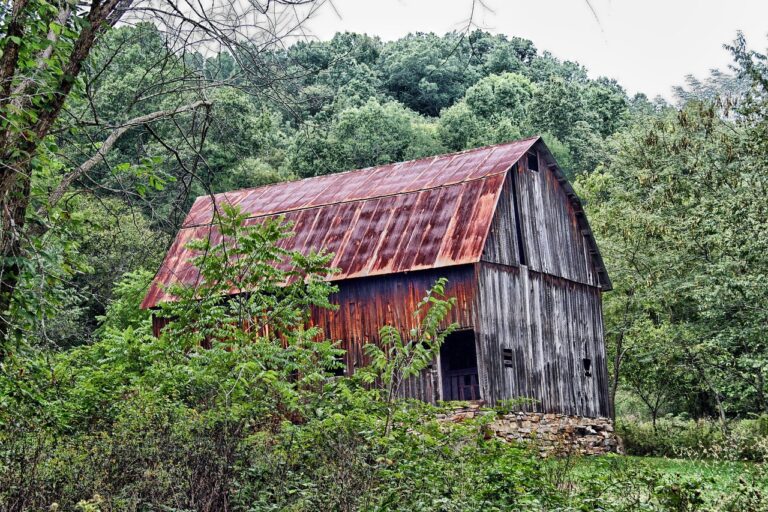
It includes well-known towns like Branson, Springfield, and West Plains in Missouri. And in Arkansas, there’s Mountain Home, Harrison, and the Cherokee Village/Ash Flat/Horseshoe Bend region.
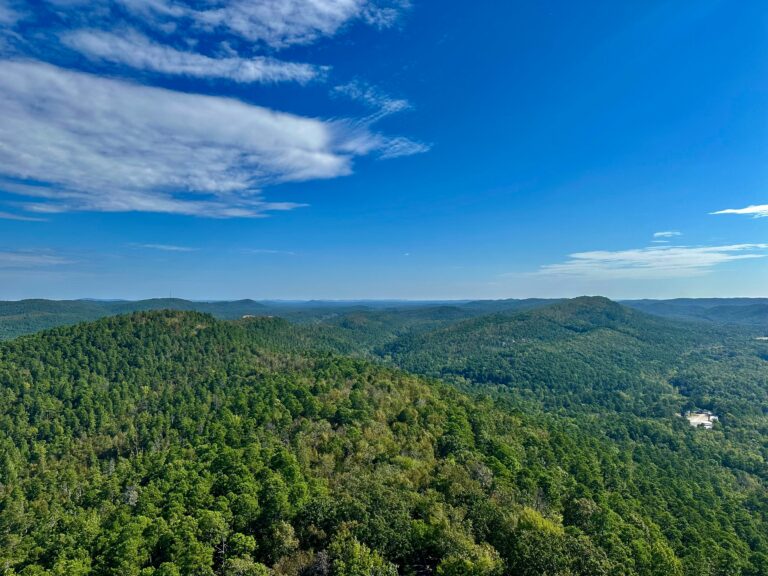
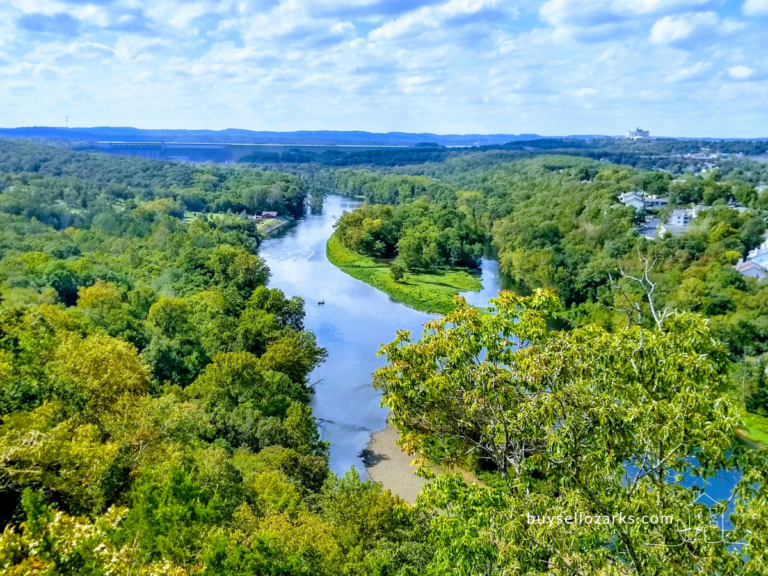
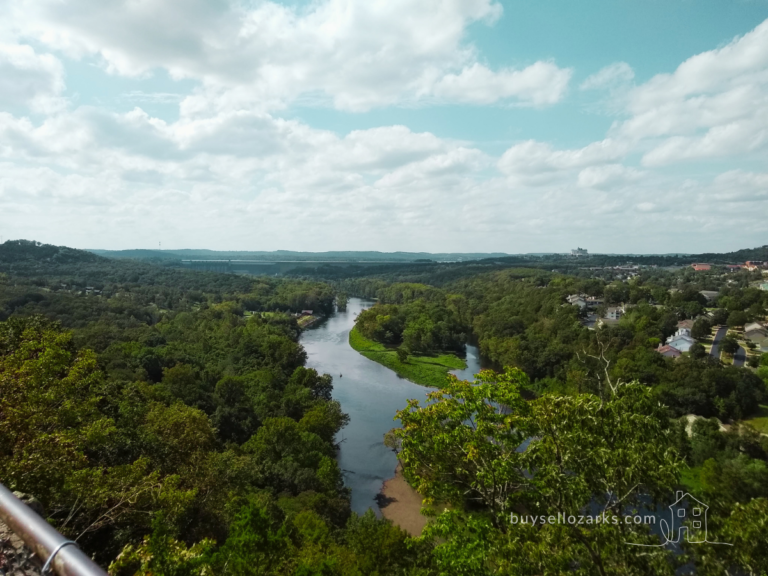
The landscape is all forested hills, clear rivers, and quiet lakes.
It’s mostly rural, scenic, and full of personality. And it’s growing in popularity as more people look to leave some states behind.
Now, on to the pros & cons of living in the Ozarks…
Thinking about making a move to the Ozarks?
The free Relocation Starter Kit walks you through everything you need to know — which area fits your lifestyle, what your budget buys, what to look for before you visit any property, and how to plan a scouting trip that counts.
On-the-ground knowledge from a transplant you won’t find in a standard relocation guide.
The Pros of Living in the Ozarks
When people weigh the pros & cons of living in the Ozarks, the pros win people over.
Here’s what draws so many people to the region every year.
Pro #1: The Cost of Living in the Ozarks Is Excellent
Let’s start this pros & cons of living in the Ozarks post with cost of living.
The cost of living in the Ozarks runs well below the national average.
Home prices are low.
Property taxes are among country’s most affordable.
The same goes for utilities — up to 39% cheaper than the national average.
Retirees, remote workers, and veterans find that money goes much further here than it did back home.
Pro #2: The Natural Beauty of Living in the Ozarks Is Stunning
This is one of the most scenic regions in America.
Southern Missouri offers the Current River, Eleven Point River, and Table Rock Lake.
Northern Arkansas is home to the Buffalo National River — the first national river in the United States — and Beaver Lake and Bull Shoals Lake.
Hiking, fishing, kayaking, hunting, and camping are all right outside your door. For outdoor lovers, the pros of living in the Ozarks start and end with nature.
Pro #3: Veterans Find Real Support in the Ozarks
The Ozarks has a deep respect for military service.

Both Missouri and Arkansas don’t tax military retirees’ pay. Also, there’s no tax on VA disability benefits. And both states offer property tax exemptions for disabled veterans.
The VA Medical Center in Fayetteville serves northern Arkansas.
And there are VA clinics in Springfield, Branson, West Plains, Marshfield, and Mountain Home, Arkansas.
Veterans (including myself) consistently say the Ozarks feels like home faster than anywhere else they’ve lived.
Pro #4: Remote Workers Thrive When Living in the Ozarks
The Ozarks is increasingly attractive to people who work from home.
Springfield is growing and has all the amenities. This makes the remote lifestyle comfortable. Many remote workers discover that living in the Ozarks gives them the space, peace, and financial flexibility they couldn’t find in bigger cities.
Pro #5: Community Is One of the Best Parts of Living in the Ozarks

People in the Ozarks actually know their neighbors.
Small towns throughout the region run on strong community connections. Local festivals, farmers markets, volunteer organizations, and faith communities are all active and welcoming.
New residents often say they felt like part of the community faster than they expected.
Pro #6: The Pace of Life Is One of the Biggest Pros of Living in the Ozarks
The daily stress level drops when you move to the Ozarks.
The overall pace of life is slower and more manageable. Sure, there’s traffic and congestion in Springfield, Missouri (500,000+ people). But life there isn’t as hectic as a major city.
That calm is one of the most-cited reasons people stay once they arrive.
Thinking about making a move to the Ozarks?
The free Relocation Starter Kit walks you through everything you need to know — which area fits your lifestyle, what your budget buys, what to look for before you visit any property, and how to plan a scouting trip that counts.
On-the-ground knowledge from a transplant you won’t find in a standard relocation guide.
The Cons of Living in the Ozarks
No honest look at the pros & cons of living in the Ozarks skips the downsides. Here’s what to plan for before you make the move.
Con #1: Local White-Collar Jobs Are Limited Outside Springfield
The Ozarks is largely rural, and the local job market reflects that — outside Springfield.
Springfield has a diversified local economy and is home to Bass Pro Shops, Prime Inc., and O’Reilly Auto Parts headquarters.
But in the smaller towns?
The dominant industries are healthcare, education, retail, tourism, and agriculture. If you work in finance, specialized tech, or other professional fields, local opportunities are limited.
Remote work has solved this problem for many people. But if you need to find white-collar work locally, research the specific town you’re considering before you commit to a move.
One final note: skilled tradespeople can find work throughout the region.
Con #2: Healthcare Access Requires Planning
Springfield has strong hospital systems and medical specialists.
But in rural areas, quality care can be an hour or more away. For anyone with ongoing health needs, that distance is worth factoring into your decision before you commit to a specific location.
Con #3: Big-City Amenities Are Scarce
The Ozarks is not a place for people who need major professional sports, big concert venues, or a wide dining and nightlife scene.
Branson draws millions of visitors for its live shows and attractions, but it caters mostly to family tourism.
Springfield also offers more than its size suggests — a surprisingly strong dining scene with over 800 restaurants, minor league baseball with the Springfield Cardinals (the Double-A affiliate of the St. Louis Cardinals), and performing arts venues like Juanita K. Hammons Hall and Springfield Little Theater.
But both are still small cities. If you’re coming from a large metro, expect a lifestyle shift.
Con #4: Weather Is One of the Practical Cons of Living in the Ozarks
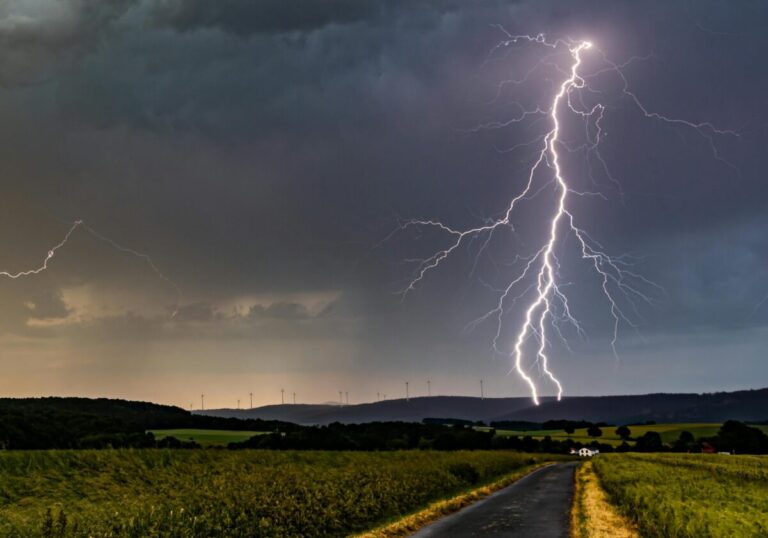
There’s an old saying: “If you don’t like the weather, just wait a day — it’ll change.” In the Ozarks, that’s not a joke. Sunny and 70s can turn to snow within hours.
Summers are hot and humid. Winters can bring ice storms that make hilly roads dangerous. Spring tornado season is a real threat, especially in southwest Missouri.
River flooding affects low-lying areas every few years.
The landscape is beautiful. But the weather demands respect and preparation.
So What Are the Pros & Cons of Living in the Ozarks — Really?
Weighing the pros & cons of living in the Ozarks isn’t hard for the right person — someone who values nature, community, and financial freedom over convenience and entertainment.
It’s a strong fit for retirees ready for a slower pace, remote workers who want more for less, and veterans seeking a community that feels like home.
Plan carefully for healthcare access and internet service. And go in with realistic expectations about local job markets and big-city amenities.
Do that, and the Ozarks can exceed everything you hoped for.
Ready to take the next step
Thinking about making a move to the Ozarks? The free Relocation Starter Kit walks you through everything you need to know — which area fits your lifestyle, what your budget buys, what to consider before you tour any property, and how to plan a scouting trip that counts.
On-the-ground knowledge from someone who made the move — and who’s giving you info not found in a standard relocation guide.
Frequently Asked Questions About the Pros & Cons of Living in the Ozarks
Is the Ozarks a good place to retire?
Yes — and it’s one of the most underrated retirement destinations in the country. The cost of living is well below the national average and property taxes are low. Also, both Missouri and Arkansas exempt Social Security income and military pensions from state income tax. The main thing to plan for is healthcare access. Choose a location that puts you within reasonable distance of a hospital or specialist.
Is the Ozarks a good place for remote workers?
Absolutely — but check internet service before you commit to any property. The Springfield area has reliable high-speed options. Rural areas vary widely. Wisper Internet covers many parts of the Ozarks, and Starlink works almost anywhere. Always verify coverage at a specific address before you buy.
Is the Ozarks veteran-friendly?
Very much so. Both Missouri and Arkansas fully exempt military retirement pay and VA disability benefits from state income tax. Both states also offer property tax breaks/exemptions for disabled veterans. The VA Medical Center in Fayetteville serves the region. There are VA clinics in Springfield, Branson, West Plains, Marshfield, and Mountain Home. I’m a veteran myself — it’s part of why I chose the Ozarks
Is the Ozarks safe?
Generally, yes. Violent crime rates in most Ozarks communities run below the national average. Smaller towns tend to be especially safe. Like anywhere, it’s smart to research the specific town or neighborhood you’re considering — but overall, safety is one of the Ozarks’ strengths.
Is the Ozarks growing or declining?
Growing. Springfield’s metro area has passed 500,000 people and continues to expand. Even smaller towns are seeing an influx of remote workers and retirees. Home values have risen steadily, which is a good sign for anyone buying here.
What should I know before moving to the Ozarks?
The big ones: check cell phone service at any rural property before you buy, understand whether the home runs on well water and septic, factor in the distance to healthcare if that’s a concern, and go in with realistic expectations about local job markets. The Moving to the Ozarks guide covers all of this in detail.
How far is the Ozarks from major cities?
The Ozarks is within a few hours of several major metro areas. Springfield, Missouri is about 3.5 hours from Kansas City and 4.5 hours from St. Louis. The region is accessible but removed from big cities — which is exactly the point.
What is the weather like living in the Ozarks year-round?
Four real seasons. Spring is beautiful but brings tornado risk. Summers are hot and humid with temperatures regularly hitting the 90s. Fall is stunning — cool, colorful, and comfortable. Winters bring occasional snow and ice storms, with hilly roads that demand caution.