
How’s healthcare in the Ozarks?
That’s the question almost every retiree asks before making the move. And it’s the right question to ask.
The answer is more reassuring than most people expect — with a few important things to know before you choose a town.
I made this move myself. I researched it the same way you’re researching it right now. And what I found about healthcare in the Ozarks surprised me. The Ozarks is far better served than you may assume.
That said, where you land matters a lot.
This article maps out healthcare in the Ozarks, town by town, so you can make the decision with real information.
New to the Ozarks? The Moving to the Ozarks article covers everything you need to know before you start narrowing down towns.
The Big Picture on Healthcare in the Ozarks
The Ozarks is not medically underserved in the way people fear.
Both sides of the state line have regional hospital systems — full-service, nationally recognized, with specialists across most major fields. For routine care, most Ozarks towns are well-covered. For specialist care, proximity to the regional hubs matters more.
The most important healthcare decision you’ll make when retiring here isn’t which state to choose. It’s which town.
That’s what this article walks you through.
Springfield, Missouri — The Center of Healthcare in the Ozarks
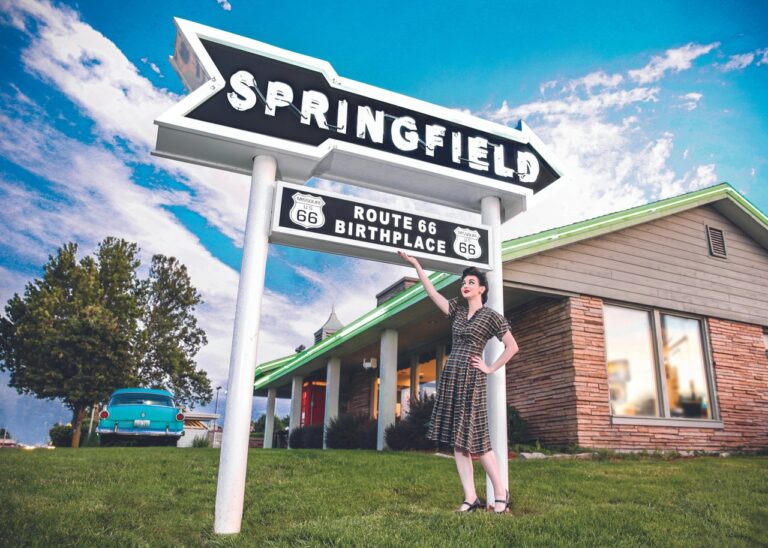
If healthcare access is a top priority, you should be close to Springfield. Or at least don’t mind driving into Springfield.
That’s because Springfield is the largest medical center in the Ozarks.
The city has two Level 1 Trauma Centers — the highest trauma designation available.
Mercy Hospital Springfield has served southwest Missouri and northwest Arkansas since 1891. The hospital has 886 beds. It holds the region’s only burn center — the only one in southwest Missouri, in fact. It’s also a Comprehensive Stroke Center, accredited by the Joint Commission — the gold standard for high-standard care and patient safety.
CoxHealth is the only locally owned health system in Springfield. Cox South’s Level 1 Trauma Center has 62 beds and sees more than 110,000 patients a year. CoxHealth runs more than 80 clinics with 500+ physicians across the region.
Also, CoxHealth Advantage Care is a clinic built specifically for patients 65 and older. It handles chronic care, memory testing, caregiver support, and behavioral health coordination. It’s not a general practice. It’s designed around you.
CoxHealth at Home goes even further.
Home care, hospice, palliative care, and home infusion — all under one roof. A care coordinator builds a plan around your specific needs.
The bottom line: two major health systems. Two Level 1 Trauma Centers. A clinic built for seniors. Specialists across virtually every field. There’s a lot healthcare available for a metro area of only 500,000 people.
Thinking about making a move to the Ozarks?
The free Relocation Starter Kit walks you through everything you need to know — which area fits your lifestyle, what your budget buys, what to look for before you visit any property, and how to plan a scouting trip that counts.
On-the-ground knowledge from a transplant you won’t find in a standard relocation guide.
Branson — Solid Regional Coverage with a Growing Footprint
Branson has more healthcare than most people expect.
Cox Medical Center Branson is a full-service hospital with 165 beds. It’s part of the CoxHealth system. The hospital has a 24-hour emergency department, a Cancer Center, a Women’s Center, and critical care.
It has earned three straight “A” grades from The Leapfrog Group. That’s one of the toughest independent safety ratings in healthcare.
Nearly 25% of Branson’s population is 65 or older. The healthcare infrastructure reflects that. CoxHealth recently opened a new clinic in Branson Hills. It offers primary care, urgent care, specialty care, radiology, and lab services — all in one place.
For day-to-day care, Branson works well. For complex specialist needs, Springfield is just a short drive up Highway 65.
West Plains — A Regional Hub for Healthcare in the Ozarks
West Plains surprises people with its healthcare access.
Ozarks Healthcare is a 114-bed hospital. It serves an 11-county area across south-central Missouri and north-central Arkansas. For a town this size, the service list is remarkable.
They offer interventional cardiac care and open-heart surgery. Neurosurgery. Oncology. Orthopedics. Rheumatology. Urology. Women’s health. Behavioral health. Rehabilitation.
They recently added the Mako SmartRobotics System for joint replacement. It’s one of the most advanced orthopedic technologies available today. Joint replacement is one of the most common procedures retirees need. So, having it close to home matters.
West Plains serves a large rural area.
That’s why it has invested in this level of care — a big benefit for retirees in south-central Missouri and north-central Arkansas.
Mountain Home, Arkansas — The Arkansas Anchor
For retirees considering the Arkansas side of the Ozarks, Baxter Health in Mountain Home is the anchor.
And it’s a strong one.
The nonprofit hospital has 268 beds. It has served north-central Arkansas and south-central Missouri since 1963. Today, more than 270 primary care and specialty providers work across the system. There are over 40 clinics supporting them.
The specialty list is solid.
Cardiology. Heart and vascular surgery. Neurosurgery. General surgery. Orthopedics. Oncology. Women’s health. Baxter Health is consistently recognized as one of the nation’s top heart programs.
In 2021, Baxter Health earned Magnet Recognition. That’s the highest nursing distinction available. Fewer than 9% of U.S. hospitals hold it. Baxter Health is one of only five in Arkansas — and the first in northern Arkansas and southern Missouri to earn it.
U.S. News rates Baxter Health high-performing in spinal fusion. Back and spine conditions are among the most common concerns for retirees. Having that level of orthopedic care close to home is worth noting.
Mountain Home draws a large retiree population. And Baxter Health has grown to meet that need.
For routine care and most specialist needs, you’re well-covered here. For highly complex specialty care, choose from either Little Rock or Springfield providers.
But that’s true of most regional hospitals outside a major metro.
Thinking about making a move to the Ozarks?
The free Relocation Starter Kit walks you through everything you need to know — which area fits your lifestyle, what your budget buys, what to look for before you visit any property, and how to plan a scouting trip that counts.
On-the-ground knowledge from a transplant you won’t find in a standard relocation guide.
Telehealth — A Complement to Your Overall Healthcare

Telehealth has changed rural healthcare access in a meaningful way.
Missouri has been a leader in telehealth since the 1990s. The state treats telehealth visits the same as in-person visits for coverage purposes. Most major health systems in the Ozarks offer it routinely. Mercy, CoxHealth, Baxter Health, and Ozarks Healthcare all do.
Here’s what telehealth handles well: Follow-up appointments. Medication management. Chronic condition check-ins. Primary care consultations. Behavioral health. For retirees managing ongoing conditions, it means fewer drives and more consistent contact with your care team.
Here’s what it doesn’t replace: Hands-on diagnostics. Imaging. Surgery. Emergency care. Telehealth is a complement to in-person care — not a substitute for it.
One practical note: telehealth requires reliable internet. It’s worth checking connectivity at your specific address before you move — not just the general area.
How to Think About Healthcare When Choosing an Ozarks Town
Here’s a simple 3-tier framework to help you think this through.
Tier 1 — Full regional hub: Springfield. Two Level 1 Trauma Centers. Two major health systems. A dedicated senior care clinic. Specialists across virtually every field. If you need frequent or complex specialist care, proximity to Springfield matters the most.
Tier 2 — Solid regional hospital: Branson, West Plains, Mountain Home. Full-service hospitals with most common specialties covered. A manageable drive to Springfield for anything more complex. This is where most retirees land. Most do just fine here.
Tier 3 — Clinic-served rural towns. Primary care clinics, urgent care, and telehealth. Works well if you’re in good health and don’t need frequent specialist visits. Worth thinking carefully about if your needs are more complex.
Many Ozarks towns that retirees are considering fall into Tier 2. Or close to it.
Ask yourself this: what level of care could I need in the next 10 years? That one question does more to narrow your town search than almost anything else.
What the Research Shows
Most people who worry about healthcare in the Ozarks are surprised by what’s here.
Two Level 1 Trauma Centers in Springfield. A nationally recognized heart program in Mountain Home. Open-heart surgery in West Plains. A full-service hospital in Branson with a Leapfrog “A” safety rating. Telehealth available across most of the region.
That’s not what people picture when they think of the Ozarks. But it’s what’s here.
If you’re in good health and managing routine care, healthcare in the Ozarks works well — almost anywhere in the region. If you have complex ongoing needs, the town you choose matters a lot. That’s not a reason to walk away from this place. It’s a reason to be thoughtful about where you land.
I went through the same research process before I moved here.
Retirement in the Ozarks sounds right — here’s where to start
Now comes the harder question: which area, which town, and what does your budget get you?
The free Relocation Starter Kit walk you through this and more. Rural vs. suburbs decision, what your budget buys at different price points, what to check before you tour any Ozarks property, and how to plan a scouting trip that counts. Plus a location fit score tool and town-for-you quiz that helps you narrow down the right Ozarks area.
On-the-ground knowledge from someone who made this move himself — and built this site to help others research theirs.
Frequently Asked Questions About Healthcare in the Ozarks
Is there good healthcare in the Ozarks for retirees?
Better than most people expect. Springfield anchors the region with two Level 1 Trauma Centers and two nationally recognized hospital systems. Mountain Home’s Baxter Health received one of nursing’s highest honors — the 2021 Magnet Recognition. West Plains has open-heart surgery and neurosurgery. For routine care, most Ozarks towns are well-served. But for specialist care, proximity to the regional hubs matters more.
What hospitals are in the Ozarks?
The main anchors are Mercy Hospital Springfield and CoxHealth in Springfield, Missouri; Cox Medical Center Branson in Branson, Missouri; Ozarks Healthcare in West Plains, Missouri; and Baxter Health in Mountain Home, Arkansas. Smaller towns have clinics and urgent care facilities, and most major systems offer telehealth across the region.
How far is it from the Ozarks to a major hospital?
It depends on where you live in the Ozarks. Retirees in many rural Ozarks towns are within 30 to 60 minutes of a full-service regional hospital. Retirees within an hour of Springfield have access to two Level 1 Trauma Centers. The further you get from the regional hubs, the more important telehealth and local clinic access become.
Does telehealth work in rural Missouri and Arkansas?
Yes — with one caveat. Missouri has been a leader in telehealth adoption. Most major Ozarks health systems offer telehealth across a wide range of services. The main variable is internet reliability, which varies by address. Before committing to a location, verify both your coverage and connection speed.
What should retirees look for in healthcare access when choosing an Ozarks town?
Start with your realistic health needs. If you manage routine care, most Ozarks towns work well. If you need frequent specialist visits or have complex ongoing conditions, prioritize being close to Springfield or another regional hub. Then look at what’s available locally — primary care, urgent care, pharmacy — for day-to-day needs. The distance to a full-service hospital should be a factor in your decision, not an afterthought.